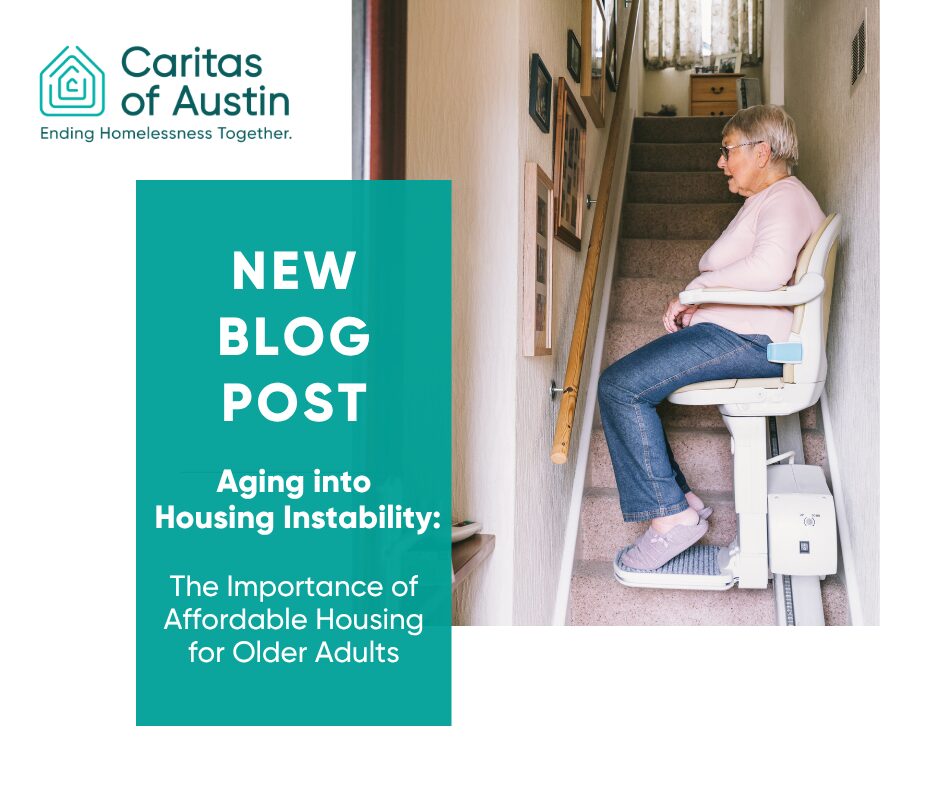
We are all familiar with nursing homes, retirement communities, and other facilities that care for older adults, ensuring they can live out their lives with the support they need. But when looking for supportive housing for the same age range that has experienced homelessness, the number of options dwindles down to almost an amount you can count on two hands.
As the U.S. population ages, the need for affordable supportive housing is quickly growing. Older adults are the fastest-growing age group experiencing homelessness.
According to the U.S. Department of Housing and Urban Development (HUD), in 2024, nearly 150,000 adults aged 55 and up experienced homelessness. Those without stable housing face higher rates of chronic health conditions and often end up using emergency care services more than housed individuals, costing taxpayers more and more money.
For example, a study from the National Institute of Health found that 70% of older adults without housing visited an emergency room more than once a year, compared with just 19% of older adults in the general population. These projections show that the number of people older than 55 experiencing homelessness could cost the nation around $5 billion in health care and shelter services without more affordable housing solutions.
Many older adults rely on a fixed income or modest retirement savings, often less than $1000 per month. With the average rent across the country ranging from $1,200 to $1,700, many housing communities quickly fall out of reach. Health challenges, mobility issues, or the loss of a loved one can also affect income, making it harder to maintain stable housing.
Now more than ever, it is essential to focus on creating solutions that help people remain in stable housing as they age and implement measures to prevent housing loss.
To combat this issue, communities must build affordable housing that provides services tailored to older adults and their needs (more ADA units, on-site medical assistance, etc.).
These communities are built to support long-term living, with accessible layouts, easy-to-navigate spaces, and amenities that make day-to-day life more manageable. Shared spaces with community areas create opportunities for connection, reducing isolation and providing a sense of belonging.
Equally important is pairing housing with services that help residents navigate everyday needs and stay on track. On-site services can help residents navigate everyday needs, from accessing healthcare and managing finances to finding food resources and staying connected to their community. With this kind of support in place, older adults are better able to maintain stability, build routines, and continue living independently.
Investing in affordable, accessible housing for older adults is not just about meeting a growing need; it also supports their well-being. It is about creating communities where people can age with stability, connection, and a place to call home.
With the number of adults in this age group projected to surpass the younger population in the coming years, we have a chance to foster an environment where dignity and purpose thrive. Together, we can build that future, ensuring every neighbor has a home and a place to flourish.